For clinicsSvenska
Compare clinics0 of 3 selected
Choose at least two clinics
6 min readUpdated 14 April 2026

Sun protection after aesthetic treatments — Complete guide

Sun protection after aesthetic treatments is not a recommendation — it is a medical necessity. Here is the complete protocol by treatment type.

Sun protection after aesthetic treatments — Complete guide - summer skin and sun protection
Quick answer

Sun protection after aesthetic treatments is not a recommendation — it is a medical necessity. Here is the complete protocol by treatment type.

Frequently asked questions

In this guide

Why is sun protection critical after treatment?Protocol per treatmentWhich sunscreen?ReapplicationIndoors too?Myths

The single most important aftercare factor for almost all aesthetic procedures is sun protection. Inadequate protection can ruin the result, cause pigmentation spots or, in the worst case, scarring.

Why is sun protection critical after treatment?

After aesthetic treatments the skin is in a healing phase. New skin cells and a rebuilt barrier are extra sensitive to UV:

  • UVB → burns new skin → scars
  • UVA → activates melanocytes → pigmentation spots
  • Both → breakdown of newly formed collagen

Protocol per treatment

Botox

  • 24h no direct sun
  • SPF50 daily (for general reasons)

Fillers

  • 48h no direct sun
  • 1 week no intense sun exposure
  • SPF50 daily

Laser (IPL / fractional)

  • 4–6 weeks no direct sun
  • SPF50 in a thick layer, reapplied every two hours outdoors
  • A wide-brimmed hat is recommended

Chemical peel

  • 2–4 weeks no direct sun
  • SPF50 whenever you are outdoors
  • Avoid sun holidays for 4 weeks

Microneedling

  • 1 week no direct sun
  • SPF50 from day 2
  • Avoid pools/the sea for 48h
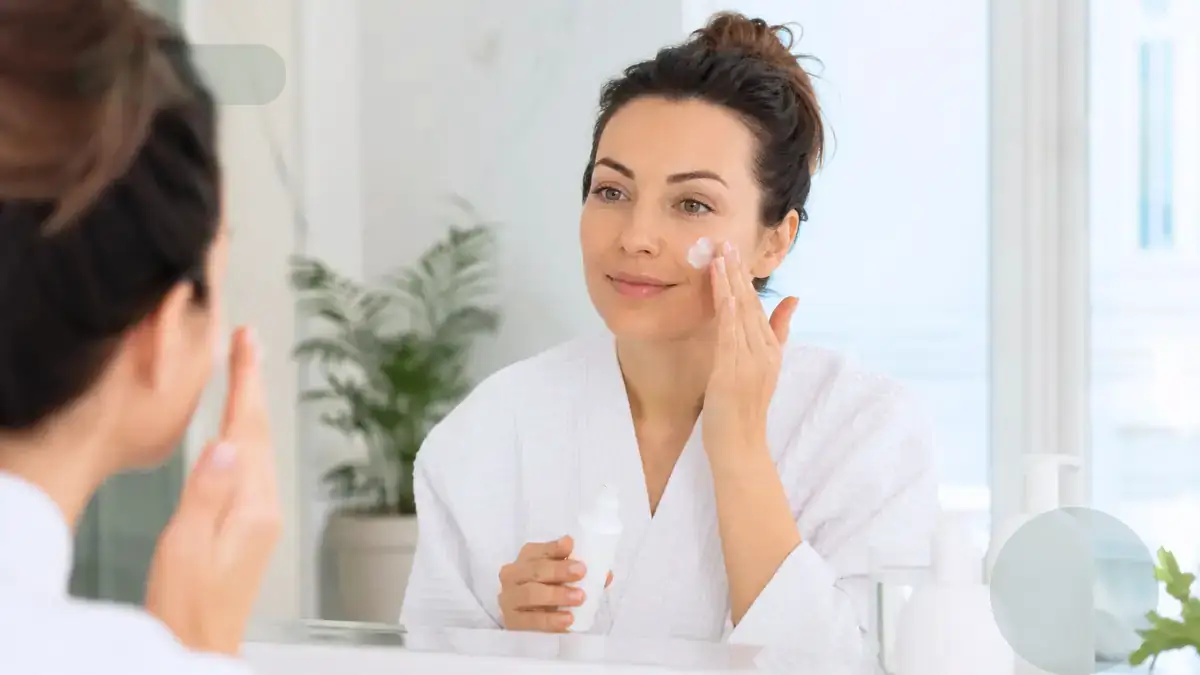
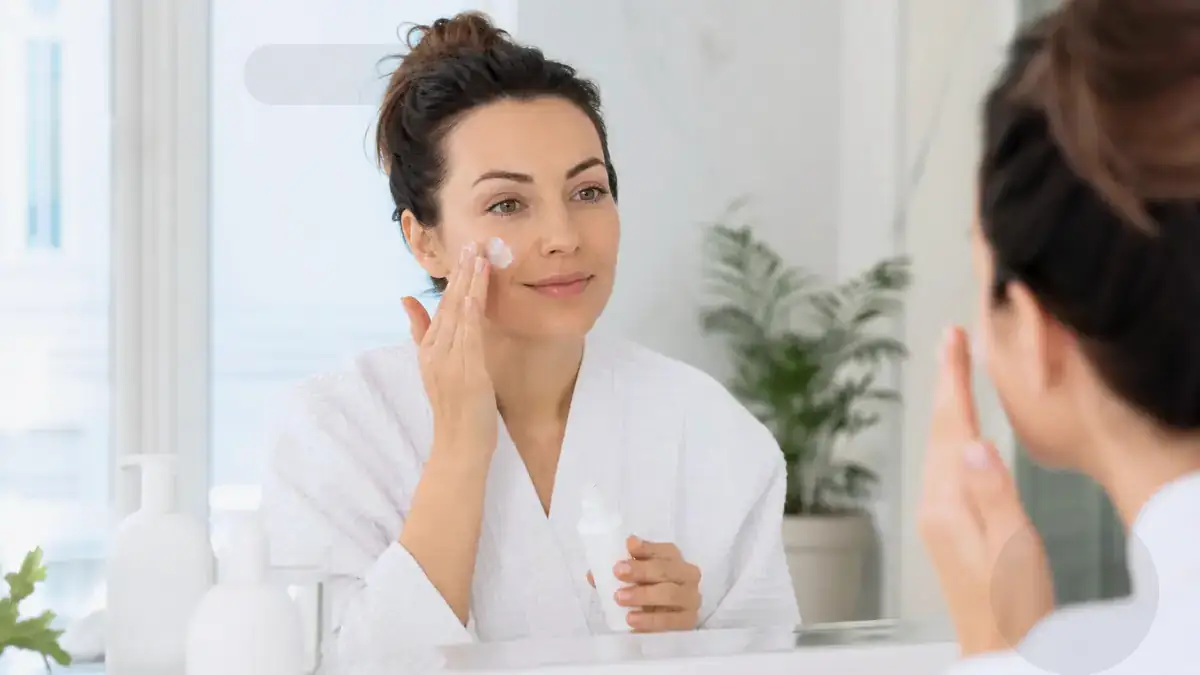
Aftercare with water and a calm skincare routine after treatment

Which sunscreen?

  • SPF level: At least 50
  • Broad spectrum: UVA + UVB (often labelled "PA++++" or "broad spectrum")
  • Mineral or chemical: Mineral (zinc oxide, titanium dioxide) is gentler after invasive treatments
  • Amount: Two finger-lengths for the face — almost everyone applies too little

Reapplication

  • Every two hours during sun exposure
  • After bathing, swimming or heavy sweating
  • Powder or spray form for make-up-free reapplication

Indoors too?

Yes, when working by a window. Glass blocks UVB but lets UVA through — which causes pigmentation and photoageing. SPF daily, even in winter.

Myths

  • ❌ "SPF30 is enough" — after treatment: no
  • ❌ "Cloudy = no risk" — 80% of UV passes through clouds
  • ❌ "Dark skin needs less" — the risk of pigmentation is just as high or higher
  • ❌ "SPF is carcinogenic" — no studies support this

← Back to the main guide

Next step: compare

Clinics, cities and prices

Beauty clinics in StockholmFind clinics, treatments and reviews in Stockholm.Beauty clinics in GothenburgCompare clinics, prices and treatments in Gothenburg.Akademikliniken Skin Center Göteborg in GothenburgSee treatments, prices and reviews for Akademikliniken Skin Center Göteborg.Beauty clinics in SwedenExplore the full clinic directory and filter by city or treatment.Fillers in the summer — When should you wait?Fillers are more sensitive to summer conditions than Botox. Heat increases swelling, and some fillers break down faster. Here is the protocol.Botox in the summer — What you should keep in mindBotox is one of the few aesthetic treatments that work well in summer. But there are details to be aware of — sun exposure, heat and optimal timing.

Frequently asked questions

Can I sunbathe at all after laser?
No direct sun for 4–6 weeks. After that, always SPF50. Ideally, never use a sunbed on the treated area again.
Mineral or chemical SPF?
After invasive treatments (laser, peel, microneedling): mineral (zinc oxide). After Botox/fillers: both are OK.
Is one application in the morning enough?
No — SPF breaks down. Reapply every two hours during sun exposure, and after swimming or sweating.

Sources & references

  1. Läkemedelsverket — Solskyddsmedel, produktinformation.
  2. Sander M, et al. (2020). The efficacy and safety of sunscreen use for the prevention of skin cancer. CMAJ.

Disclaimer: The content of this article is for information purposes only and does not constitute medical advice. Always consult licensed healthcare professionals before undergoing any treatment.