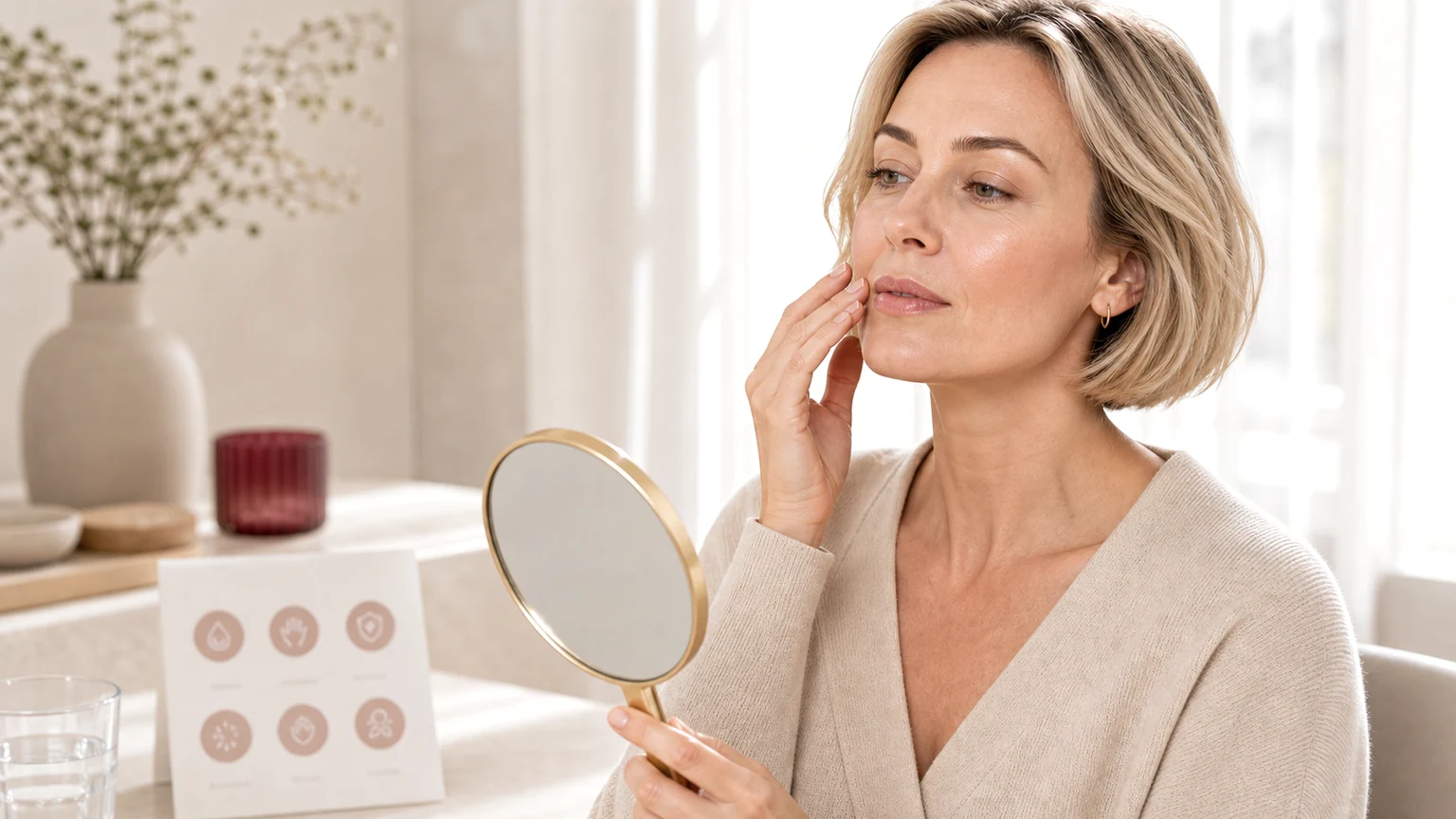
"Is botox dangerous?" is one of the most common questions before a first treatment – and an entirely reasonable one, since botulinum toxin is one of the most potent naturally occurring poisons. But in the extremely small, controlled doses used cosmetically, botulinum toxin type A has an exceptionally good safety profile, well documented over decades of medical use.
What exactly is botulinum toxin?
Botulinum toxin is a protein produced by the bacterium Clostridium botulinum. In its natural form it can cause botulism – a serious form of food poisoning. But the purified and diluted botulinum toxin used in medicines such as Botox® and Azzalure® is different from the "wild" kind:
- Extremely diluted
- Sterile manufacture under pharmaceutical controls
- Specific doses based on the patient's needs
- Local injection – not systemic
Research and safety data
Botulinum toxin type A has been used clinically since the 1980s. It was approved by the FDA for medical use in 1989 and for cosmetic use in 2002. Since then, millions of treatments have been performed each year worldwide, making it one of the best-studied medicines in history[1].
What do the studies say?
A review of 36 years of clinical experience shows that serious side effects are extremely rare in cosmetic use. Most reported side effects are mild and transient[2].
Swedish law and safety
Sweden has one of the strictest regulatory frameworks in Europe for aesthetic injection treatments. Since 1 July 2021 the following rules have applied under Lag (2021:363):
- Only licensed physicians, nurses and dentists may perform aesthetic injection treatments
- Consultation and cooling-off period before treatment – Before an aesthetic injection treatment, a cooling-off period of at least two days applies after you have received the information about the treatment. If the same type of injection treatment is repeated within six months, no new cooling-off period is required.
- The clinic must be registered with IVO (the Health and Social Care Inspectorate)
- Clear information about risks, side effects and follow-up
- Patient insurance is required
- Age limit of 18 years
These rules make Sweden one of the safest countries in which to undergo botox treatment.
What is "dangerous" – and what is not?
What is dangerous
- Treatment by unlicensed staff (common in home settings, "botox parties")
- Unapproved products – fake botox from Asia or unknown sources
- Injection into the wrong anatomical areas by inexperienced staff
- Heavy overdosing
- Treatment during an active infection
- Treatment in people with neuromuscular diseases
What is NOT dangerous
- Botulinum toxin in a therapeutic dose from approved manufacturers (Botox, Azzalure, Dysport, Xeomin)
- Treatment by licensed and certified staff in a registered clinic
- Long-term use over decades
- "Switching clinics" if the practitioner takes a proper medical history
Common myths about botox
Myth 1: "Botox is toxic and stays in the body"
Truth: Botulinum toxin is broken down naturally in the body within 3–6 months. It does not "stay" and does not accumulate with repeated treatments.
Myth 2: "You'll become as expressionless as a wax doll"
Truth: With correct dosing and placement, natural facial expressions are preserved. "Frozen" expressions are caused by overdosing – a sign of an inexperienced practitioner, not of the product itself.
Myth 3: "You'll become addicted to botox"
Truth: Botox is not addictive in the medical sense. Many people come back because they like the result – not because of physical or psychological dependence.
Myth 4: "It damages the muscles in the long term"
Truth: Studies show that muscle tissue recovers fully once the botox has broken down. However, the muscles may "learn" to be more relaxed, which is part of the effect.
Myth 5: "Botox causes cancer"
Truth: There is no scientific link between botulinum toxin and cancer. Botox has been used for decades without any such correlation being demonstrated.
Myth 6: "It's the same thing as botulism"
Truth: Botulism is caused by massive exposure to natural botulinum toxin (usually through food). The cosmetic dose is hundreds to thousands of times smaller and is injected locally – the risk of a systemic effect is negligible.
Who should NOT have botox?
Despite the good safety profile, there are situations in which botox is not recommended:
- Pregnancy and breastfeeding (insufficient data)
- Active infection in the treatment area
- Neuromuscular diseases (myasthenia gravis, ALS, Lambert-Eaton syndrome)
- Allergy to botulinum toxin or its components
- Certain medicines that affect neuromuscular communication (always inform the practitioner about all medication)
- Bleeding disorders (relative contraindication)
How to choose a safe clinic – checklist
- Licensing – check that the practitioner is a licensed physician, nurse or dentist
- IVO registration – search for the clinic in IVO's register
- Certification – Estetiska Injektionsrådet or REBS
- Patient insurance – ask and check
- Consultation – Before an aesthetic injection treatment, a cooling-off period of at least two days applies after you have received the information about the treatment. If the same type of injection treatment is repeated within six months, no new cooling-off period is required.
- Reviews – read reviews with concrete details
- Products – ask which type of filler/botox is used (it should be approved by the Swedish Medical Products Agency, Läkemedelsverket)
- Hygiene – sterile environment, single-use materials
Conclusion
Botulinum toxin type A is – when used correctly by licensed staff in a certified clinic – one of the safest medicines available in aesthetic medicine. The real risks lie not in the product but in who administers it and how. That is why the choice of clinic is so crucial for safety.