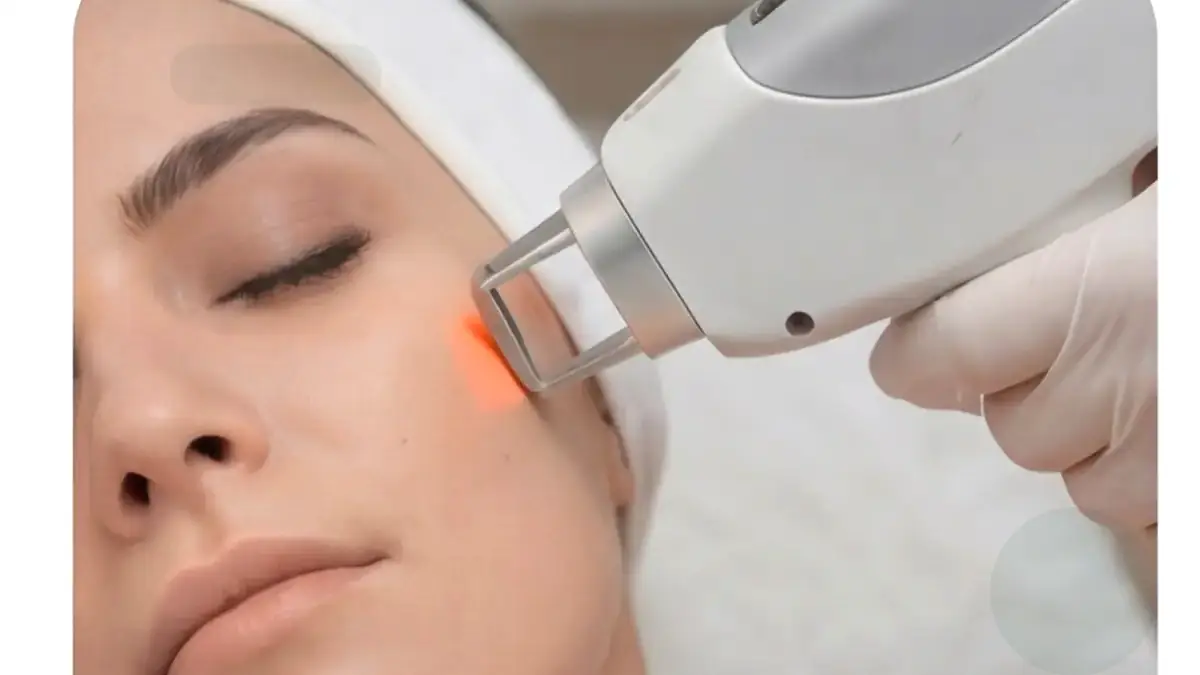
Laser hair removal is a treatment that uses concentrated light to heat the pigment in the hair follicle. The aim is to reduce hair growth over time, not to guarantee that every single hair will never come back. The result is affected by skin tone, hair colour, treatment area, equipment and how closely the treatment plan is followed.
What is laser hair removal?
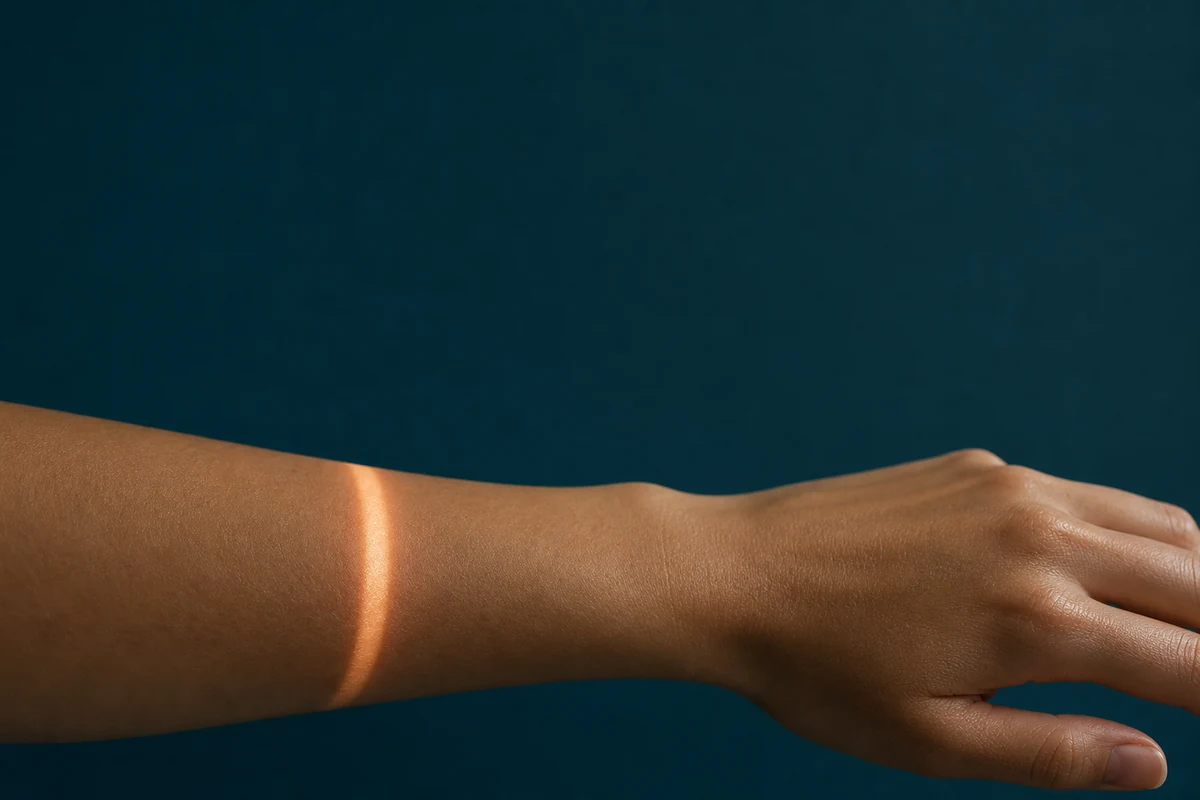
In laser hair removal, light is directed at the hair follicle. The pigment in the hair absorbs the energy, and the heat can slow down or damage the hair follicle so that regrowth becomes weaker. IPL works in a similar way but uses broader pulses of light, whereas a laser works with a more specific wavelength.
The treatment is often used on the legs, underarms, bikini line, back, chest, upper lip and chin. Areas near the eyes require particular caution and should only be treated by highly competent staff with the right protection.
Who is the treatment suitable for?
Laser usually works best when the hair is dark and the skin is lighter, because the contrast makes it easier for the light to find the pigment in the hair follicle. Darker skin tones can also be treated, but then the choice of laser, the energy level and the practitioner's experience become especially important to reduce the risk of burns and pigmentation changes.
Fair, grey, white or red hair often responds less well because it contains less of the type of pigment that the laser targets. With hormonal hair growth, more sessions or maintenance treatments may be needed.
How many treatments are needed?
Most people need several sessions because hairs are in different growth phases. A common plan is 4–8 treatments a few weeks apart, followed by maintenance as needed. Smaller areas can be done quickly, while larger areas such as the back or legs take longer.
| Area | Typical plan | Comment |
|---|
| Upper lip or chin | Several short sessions | Hormonal hair growth may require maintenance. |
| Underarms | Often 4–8 treatments | Dark hair often shows a clear response. |
| Legs, back or chest | Several longer sessions | A larger area affects both time and price. |
Price and what affects the cost
The price is mainly determined by the treatment area, the number of sessions, the clinic's equipment and the practitioner's experience. Small areas cost less per visit, but the total price should always be assessed on the basis of the whole course of treatment.
If you want to compare locally, you can start with laser hair removal in Gothenburg or laser hair removal in Stockholm. For a broader overview, there is also the page where you can compare clinics for laser.
Before the treatment
A reputable clinic should go through your skin type, medications, previous skin reactions, sun exposure, expected results and risks before the treatment starts. It is often recommended to avoid sunbathing, self-tan and waxing or plucking before the session. Shaving the area before the treatment is common, because the hair then remains in the follicle but does not burn above the surface of the skin.
Aftercare and risks
Redness, swelling and mild irritation may occur after the treatment. Less common risks are blisters, scarring, infection and pigmentation changes. Sun protection is important after the treatment, particularly to reduce the risk of uneven pigmentation. If you are planning treatment during the warmer months, the guide on laser in summer is relevant reading before you book.
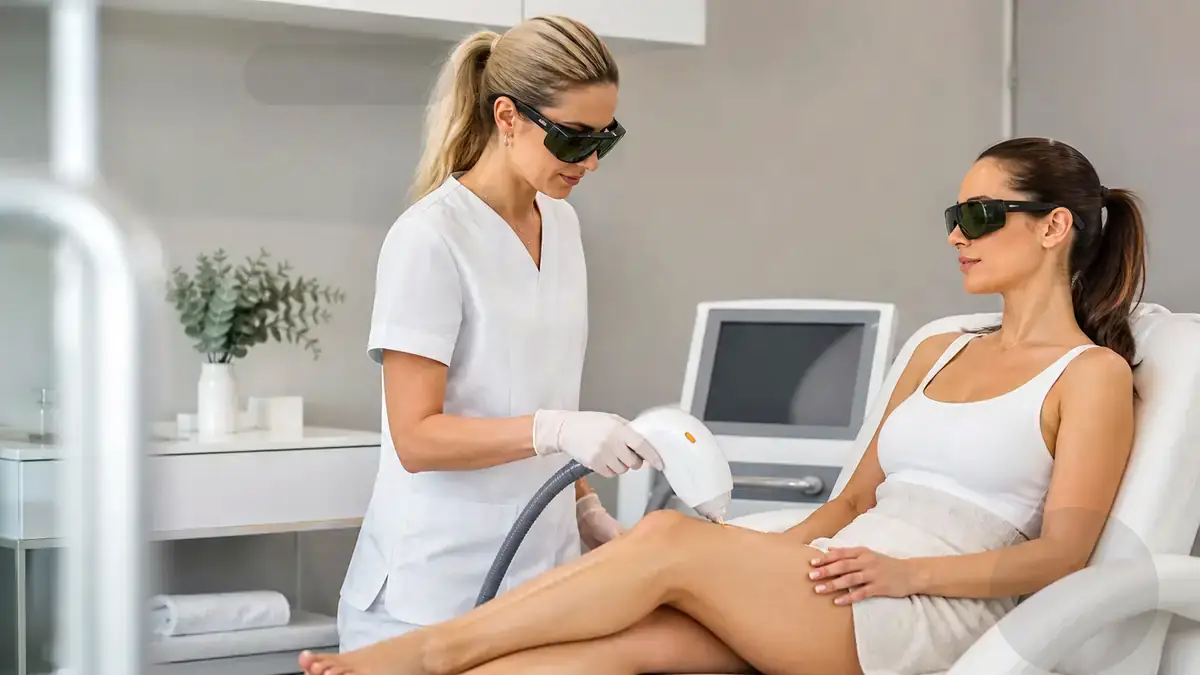
Laser and IPL treatments can damage the eyes and skin if they are performed incorrectly. Ask for protective goggles, ask which equipment is used and make sure the practitioner has experience with your skin tone and your treatment area.
How to choose a clinic
Do not choose based on the lowest price alone. Compare the consultation, equipment, documented experience, clear aftercare advice, reviews and how the clinic handles risks. A good clinic should be able to explain why their particular treatment plan suits your skin and your hair, not just sell a package.