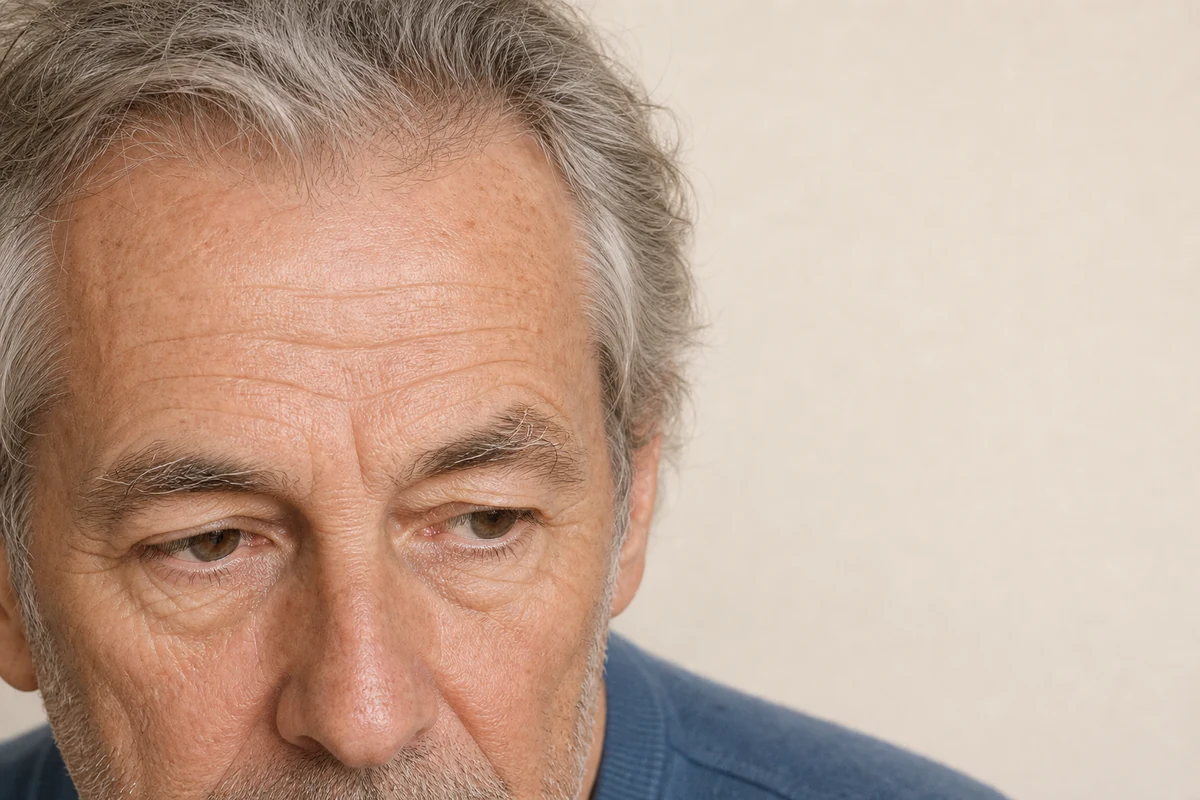
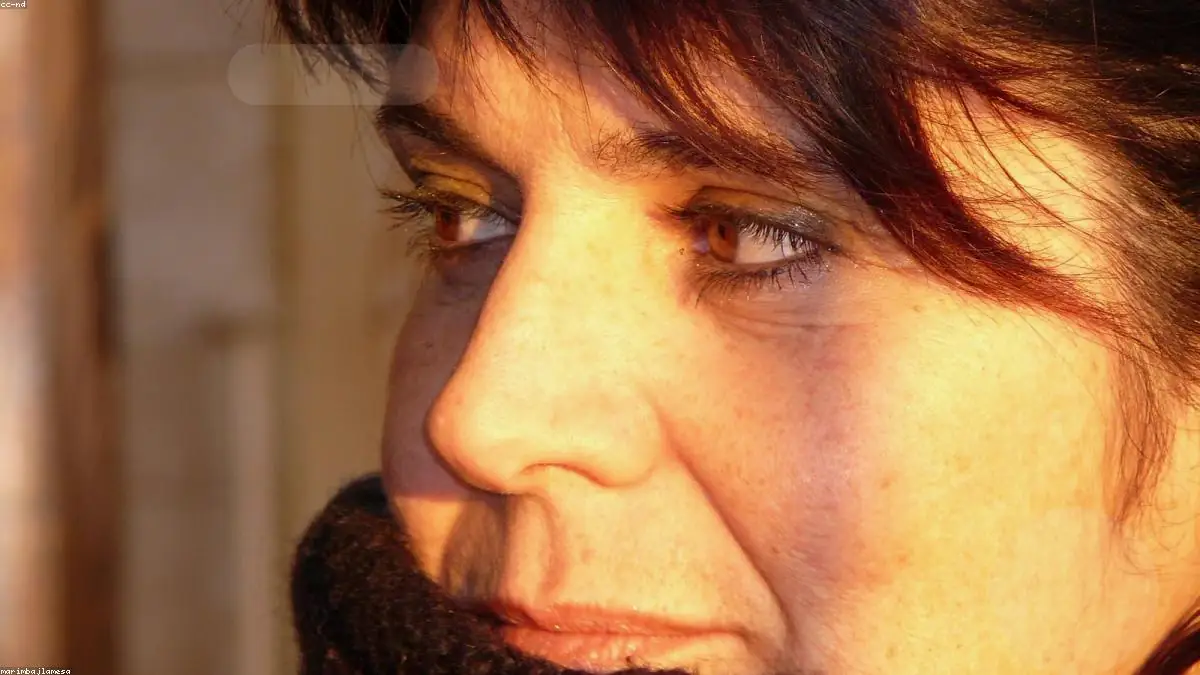
Botox is the trade name for botulinum toxin type A – a protein produced by the bacterium Clostridium botulinum. When injected in very small, controlled doses, it blocks signal transmission between nerve and muscle, causing the muscle to relax temporarily. In aesthetic contexts, this effect is used to soften so-called dynamic wrinkles – lines caused by repeated muscle activity in the face.
How does Botox work?
When botulinum toxin is injected into a muscle, it binds to the nerve endings and prevents the release of acetylcholine – the neurotransmitter that would otherwise trigger muscle contraction. As a result, the muscle becomes temporarily weakened or paralysed. The effect is reversible; after about 3–6 months new nerve endings form and muscle function returns to normal[1].
Which areas are treated?
The most common aesthetic indications in Sweden are:
- Glabellar lines (the frown line between the eyebrows)
- Forehead lines (horizontal lines on the forehead)
- Crow's feet (lines at the outer corners of the eyes)
- Bunny lines (wrinkles on the bridge of the nose)
- Lip flip (a subtle lip lift)
- Jawline (masseter) – for a slimmer face shape and for bruxism (teeth grinding)
- Neck and jawline (Nefertiti lift)
Botox is also used medically for chronic migraine, hyperhidrosis (excessive sweating), spasticity and certain neurological conditions. The medical use has been approved by the Swedish Medical Products Agency (Läkemedelsverket) for several decades.
What does the treatment involve?
A typical botox treatment takes between 10 and 20 minutes. The practitioner – who under Swedish law must be a licensed physician, registered nurse or licensed dentist – cleanses the skin, marks the injection points and injects small amounts of botulinum toxin with a very fine needle. The pain is usually described as a brief prick.
Cooling-off period before treatment
Before an aesthetic injection treatment, a cooling-off period of at least two days applies after you have received the information about the treatment. If the same type of injection treatment is repeated within six months, no new cooling-off period is required. This is to ensure medical suitability and well-informed consent.
When are the results visible?
The effect comes on gradually. The first signs are usually visible after 3–5 days and the full effect is reached after 10–14 days[1]. The result is subtle – the muscles still function, but strong contracting movements are dampened, giving a more relaxed expression.
How long does Botox last?
For most people, the effect lasts 3–6 months. The variation depends on several factors:
- Individual metabolism
- The amount of product and the injection technique
- The area treated (some muscles are stronger)
- The number of previous treatments (the effect can become longer-lasting over time)
Risks and side effects
When the treatment is performed by competent licensed staff, serious side effects are very rare[2]. Common, transient side effects include:
- Slight redness or swelling at the injection site (1–2 days)
- Small bruises
- Mild headache
- In rare cases: temporary asymmetry or a drooping eyelid (ptosis), usually resolving on its own within 4–6 weeks
Botox should not be used during pregnancy or breastfeeding, or in cases of certain neuromuscular diseases or hypersensitivity to botulinum toxin.
Who is the treatment suitable for?
Most adults are suitable candidates. The treatment is most effective on dynamic wrinkles – lines that appear with facial expressions but disappear at rest. For deep, static lines, a combination with fillers or other methods may be more effective.
How do you choose the right clinic?
Safety starts with the choice of clinic. Check the following:
- Licensed staff – only physicians, nurses or dentists may perform aesthetic injections in Sweden
- IVO registration – the clinic must be registered with the Health and Social Care Inspectorate
- Certification – many quality clinics are certified by Estetiska Injektionsrådet (EIR) or REBS
- Liability insurance – check that the clinic has patient insurance
- Experience – ask about the number of treatments performed and training