For clinicsSvenska
Compare clinics0 of 3 selected
Choose at least two clinics
7 min readUpdated 10 April 2026

What is microneedling? Complete guide to Dermapen and collagen stimulation

Microneedling – often performed with Dermapen – is one of the most popular skin rejuvenation treatments in Sweden. Controlled micro-injuries stimulate the body's own collagen production.

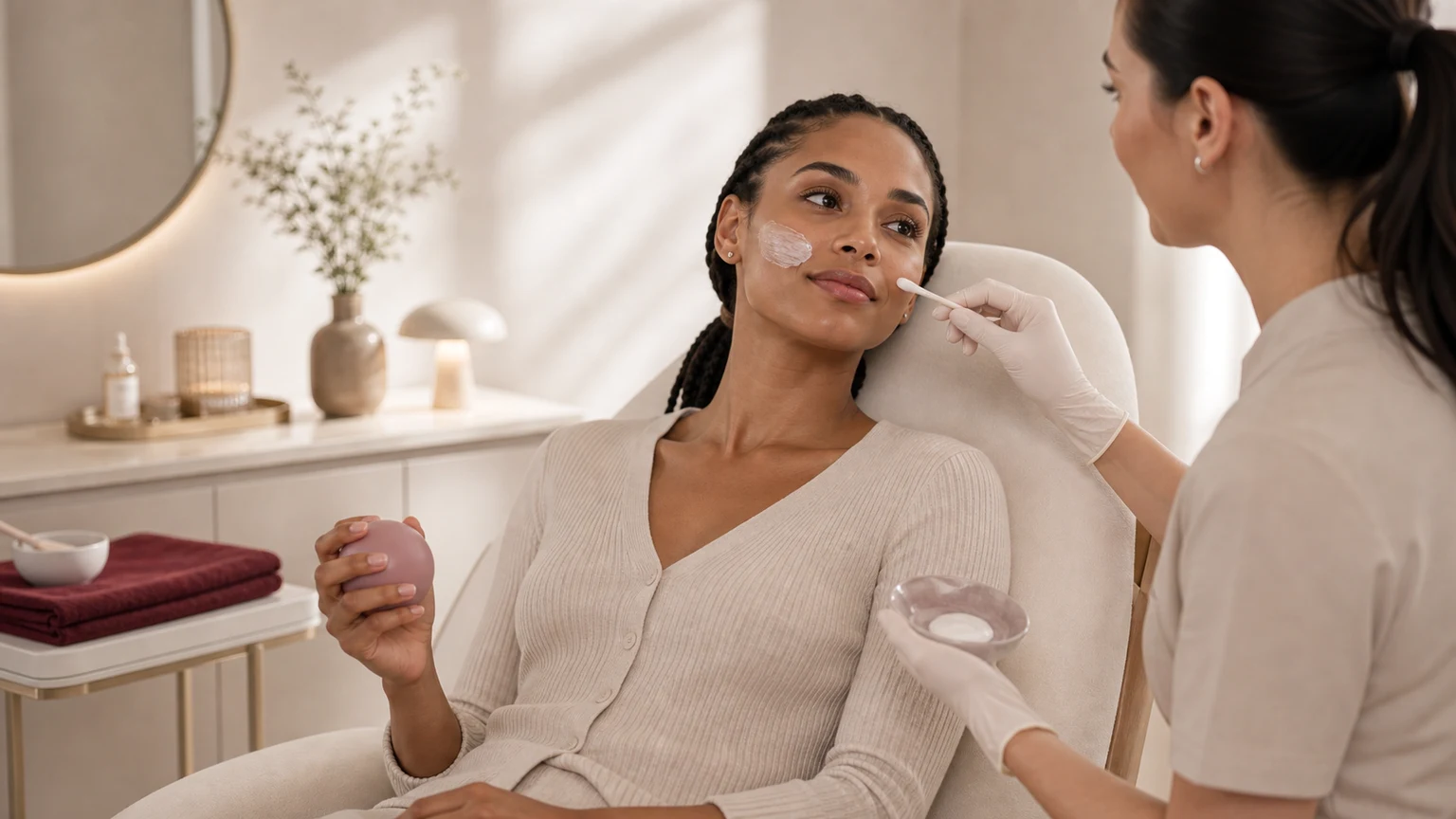
What is microneedling? Complete guide to Dermapen and collagen stimulation - skincare at an aesthetic clinic
Quick answer

Microneedling – often performed with Dermapen – is one of the most popular skin rejuvenation treatments in Sweden. Controlled micro-injuries stimulate the body's own collagen production.

Microneedling in StockholmFrequently asked questions

In this guide

How does microneedling work?Dermapen – the modern methodWhat is treated with microneedling?What does the treatment involve?Recovery timeCombination treatmentsNumber of treatments and durationRisks and side effectsMicroneedling vs alternatives

Microneedling – also known as Collagen Induction Therapy (CIT) – is a skin treatment in which small, sterile needles create microscopic wounds in the skin. These controlled injuries trigger the body's own healing process and lead to the formation of new collagen and elastin[1].

How does microneedling work?

When the skin is injured – even microscopically – a complex healing cascade is activated:

  1. Inflammatory phase: Growth factors are released (PDGF, TGF-β, VEGF)
  2. Proliferative phase: Fibroblasts are activated and produce new type I and III collagen
  3. Remodelling phase: The new collagen is organised and strengthens the skin's structure (3–6 months)

The result is firmer, smoother and more toned skin – without the superficial epidermis being damaged in the same way as with laser treatments.

Dermapen – the modern method

Dermapen® is the best-known brand of automated microneedling device. It uses a motorised pen with 12–36 microscopic needles that move vertically at high speed (up to 110 punctures per second). The advantages compared with a hand-held "dermaroller":

  • Adjustable depth (0.2–2.5 mm)
  • Consistent precision
  • Less tissue damage
  • Faster recovery
  • Better reach in hard-to-access areas (the sides of the nose, around the eyes)

Other modern variants include SkinPen® (FDA-approved) and Dermapen 4.

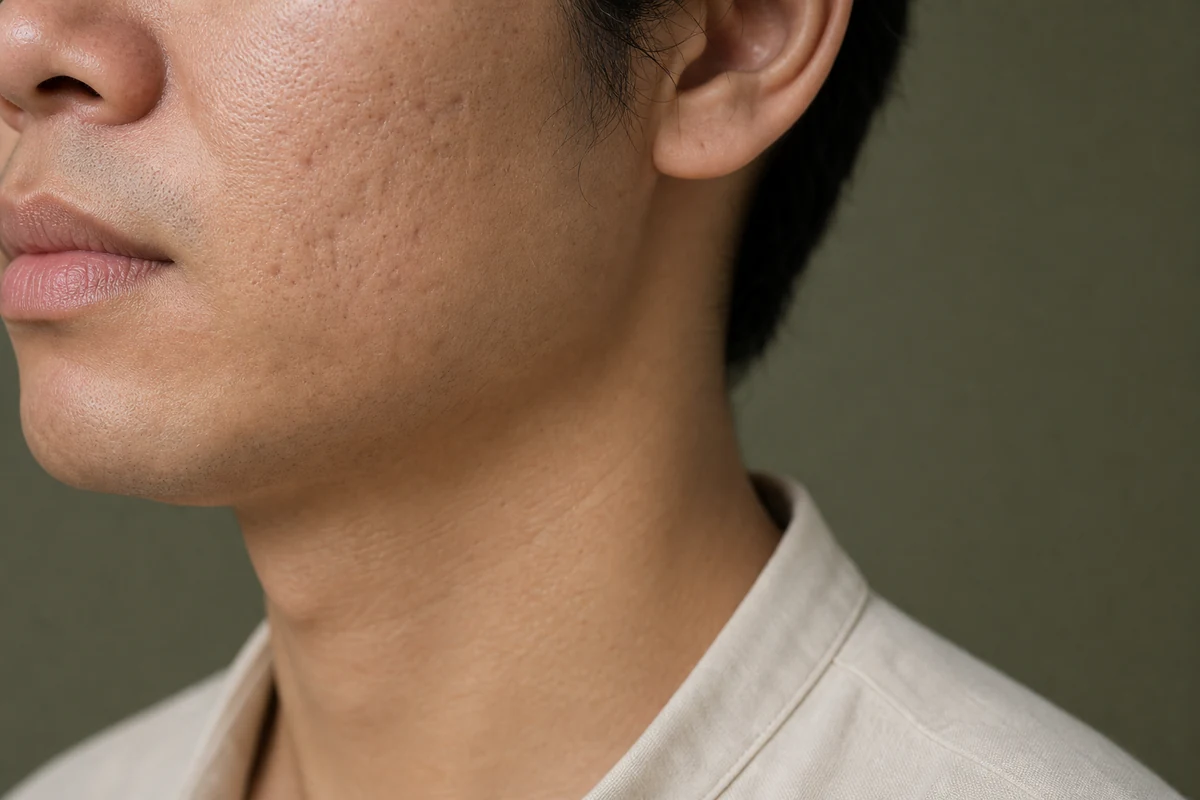
Skin texture and mild acne scars for microneedling

What is treated with microneedling?

  • Acne scars – one of the most evidence-based areas of use[2]
  • Fine lines and wrinkles
  • Large pores
  • Skin texture and unevenness
  • Stretch marks (striae)
  • Hyperpigmentation and sun damage
  • Sagging skin (mild to moderate)
  • Hair loss (medical indication, often in combination with PRP)

What does the treatment involve?

A typical session takes 45–60 minutes:

  1. Consultation and skin analysis
  2. Cleansing of the area
  3. Numbing cream is applied (takes effect in 20–30 minutes)
  4. Microneedling – the practitioner moves the pen over the skin in several directions
  5. Serum or mask is applied directly to the treated skin
  6. Sun protection is applied

Recovery time

The skin's reaction after microneedling depends on the needle depth:

  • 0.25–0.5 mm: Mild redness, disappears within hours
  • 0.5–1.0 mm: Redness for 24–48 hours, feels like mild sunburn
  • 1.0–2.5 mm: Redness and swelling for 2–4 days, possible flaking

Combination treatments

Microneedling + PRP

"Vampire facial" – microneedling is combined with platelet-rich plasma from your own blood. PRP contains concentrated growth factors that further stimulate collagen production.

Microneedling + skin booster/Profhilo

Hyaluronic acid is applied directly after microneedling and is absorbed deeper into the skin thanks to the microchannels.

Microneedling + serum with exosomes or peptides

High-quality serums can penetrate into the deeper layers of the skin and enhance the effect.

Number of treatments and duration

For the best results, the following is recommended:

  • 3–6 sessions, 4–6 weeks apart
  • Maintenance: 1–2 times a year
  • Results visible: Gradually over 4–6 weeks; full effect after 3–6 months

Risks and side effects

Microneedling is generally very safe when performed by trained staff. Common, transient side effects:

  • Redness and dryness
  • Mild swelling
  • Itching during healing
  • In rare cases: hyperpigmentation or infection

Microneedling is not recommended in cases of: active acne with pustules, infections, eczema in the area, bleeding disorders, isotretinoin treatment within the last 6 months, or during pregnancy.

Microneedling vs alternatives

MethodPrincipleRecoverySessions
MicroneedlingMechanical injury1–3 days3–6
Fractional laserThermal injury3–7 days3–5
Chemical peelChemical exfoliation2–7 days3–6
HIFUUltrasoundNone1
Next step: compare

Clinics, cities and prices

Microneedling in StockholmCompare clinics, prices and reviews for microneedling in Stockholm.Microneedling in GothenburgSee price levels and clinics offering microneedling in Gothenburg.Microneedling price and guideRead about price, safety and what to consider before you book microneedling.Beautyfillers Stockholm in StockholmSee treatments, prices and reviews for Beautyfillers Stockholm.Beauty clinics in SwedenExplore the full clinic directory and filter by city or treatment.What should you consider before botox? Checklist & 7 questions to askWhat should you consider before Botox? Here is a complete checklist — from medicines to avoid to questions you should ask at the consultation.What is Botox? Complete guide to mechanism of action, effect and safetyBotox is one of the world's most studied muscle-relaxing medicines and is used both medically and aesthetically. Here we explain what it is, how it works and what you should know before a treatment.

Find a clinic near you

Compare clinics offering this treatment in your city:

Frequently asked questions

Is microneedling painful?
At a shallow needle depth it mostly feels like a slight vibration. For deeper treatment, numbing cream is used. Most people describe the experience as uncomfortable rather than painful.
How many sessions do I need?
A noticeable result usually requires 3-6 sessions 4-6 weeks apart. Maintenance treatment 1-2 times a year is recommended.
What is the difference between Dermapen and Dermaroller?
Dermapen is a motorised device with adjustable needle depth and vertically moving needles. Dermaroller is manual and causes more random injuries. Dermapen is safer and more effective.
Can I do microneedling at home?
Home rollers with 0.25 mm needles are safe for basic skincare, but professional microneedling with Dermapen should only be performed at a clinic with trained staff.
What does microneedling cost in Sweden?
A treatment typically costs SEK 1,500–2,800 depending on the clinic and area. Many clinics offer package prices for 3-6 sessions.

Sources & references

  1. Aust MC, et al. (2008). Percutaneous collagen induction therapy: an alternative treatment for scars, wrinkles, and skin laxity. Plastic and Reconstructive Surgery.
  2. Alster TS, Graham PM. (2018). Microneedling: A Review and Practical Guide. Dermatologic Surgery.
  3. Hou A, et al. (2017). Microneedling: A Comprehensive Review. Dermatologic Surgery.

Disclaimer: The content of this article is for information purposes only and does not constitute medical advice. Always consult licensed healthcare professionals before undergoing any treatment.